
Road Trips
The Murraylands & Mallee: River to the Outback Road Trip
Published 20 August 2026
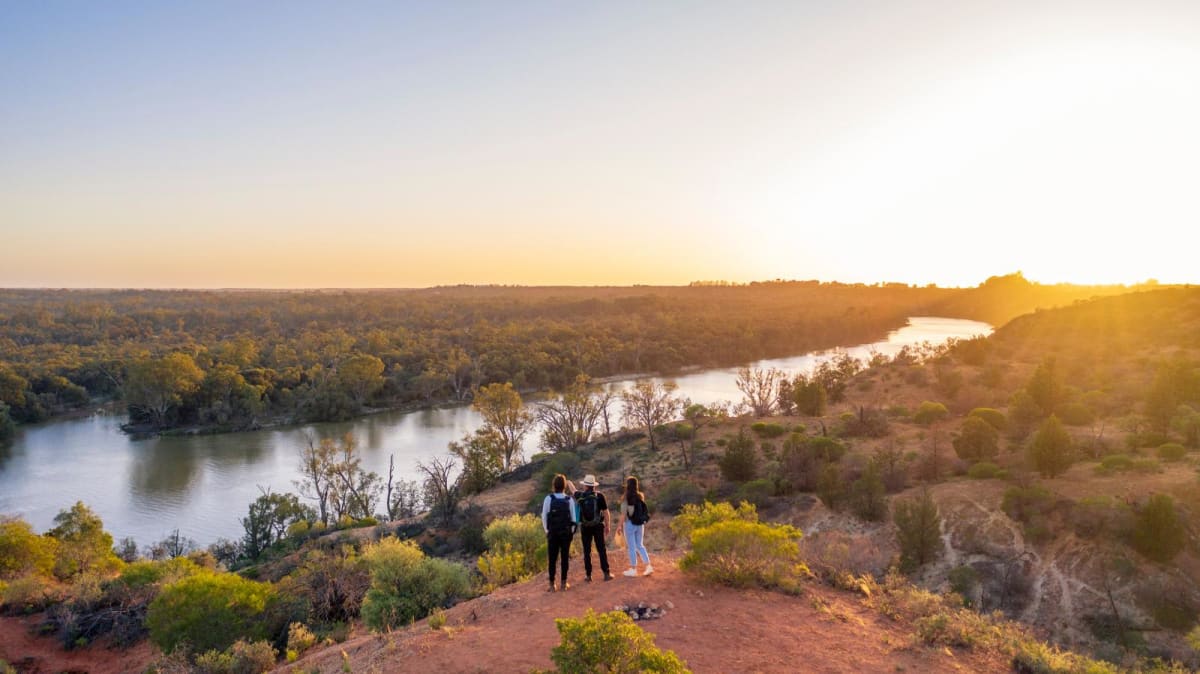
South Australia’s Murraylands and Mallee region pulls a neat trick. Within an hour of leaving the Adelaide tollgate, you hit the limestone cliffs of the Murray River. Keep driving east, and the river gums give way to low scrub, massive grain silos, and straight roads that disappear into the horizon. It is a region of two halves, and driving it from west to east is the best way to understand how the state's agriculture works.
This route requires about three days to do it justice, though you could stretch it to a week if you prefer a slower pace. The bitumen is generally in good condition, and fuel is regular enough that you won't need jerry cans. Mobile reception drops out between towns, so download your maps before you cross the river.
Murray Bridge is the logical starting point. The town is the major service centre for the region, meaning it is your last chance to stock up on serious supermarket supplies before heading into smaller rural communities. Before you cross the bridge, pull off the freeway for a detour that demands a full morning.
Monarto Safari Park operates on a scale that makes standard zoos feel like window boxes. It covers 1,500 hectares of open plains. The bus tours get you close to rhinos, giraffes, and lions, but the walking tracks are where the sheer size of the place registers. You need at least three hours here, though half a day is more realistic if you want to see the cheetah run.
After a day of walking, you want a straightforward camp setup. Avoca Dell Caravan Park sits right on the riverbank, a few kilometres out of the main Murray Bridge town centre. It keeps you away from the highway noise. The powered sites are grassy and flat, the amenities block is modern, and there is an 18-hole mini-golf course if you need to wear the kids out before bed.
The drive south to Tailem Bend follows the river's eastern bank. It is a fast 25-minute run on sealed roads. Tailem Bend itself sits on a sharp bend in the river, but it is primarily a railway town at heart. The main street faces the train tracks, reflecting its history as a major freight hub.
Railway Cafe Tailem Bend serves exactly what you need before a long drive. The coffee is strong, the bacon and egg rolls are substantial, and the service is fast. It is a reliable, no-nonsense breakfast stop that locals use just as much as passing truck drivers.
Just down the road, Old Tailem Town is Australia's largest pioneer village. With over 100 restored buildings scattered across the scrub, it feels less like a museum and more like a ghost town that you have been given the keys to explore. Give yourself at least two hours to walk the dusty streets and inspect the old schoolhouses, churches, and train carriages.
For a classic pub experience right on the highway, the Tailem Bend Hotel hits the mark. The front bar is a genuine local institution, pouring cold beer with zero pretension. The dining room serves up massive schnitzels that are exactly what you need after a long day of driving and exploring the pioneer village.
Turn east onto the Karoonda Highway. The landscape shifts almost immediately. The irrigated green of the river disappears, replaced by the pale soils and hardy scrub of the Mallee. This is a 60-kilometre stretch of straight, flat road where the primary hazard is wildlife at dusk. The grain silos at Karoonda appear on the horizon long before you hit the town limits.
Karoonda is the agricultural heart of this district. The Mallee Tourist & Heritage Centre documents how tough early settlement was out here. The sheds are packed with restored tractors, railway memorabilia, and pioneer farming equipment. It is entirely volunteer-run, and the locals manning the desk know the history because their grandparents lived it.
From Karoonda, the route cuts south to join the Mallee Highway, then heads east through Lameroo and Pinnaroo. These towns exist because of the railway, and their main streets run parallel to the tracks. The paddocks here stretch for miles, turning bright yellow with canola in spring and golden brown during the summer harvest.
Lameroo is home to Mallee Spirit, a local operation that distils gin and vodka using regional botanicals. The tasting room is an unexpected find out here, offering a sharp, modern product that reflects the surrounding scrub. Pick up a bottle of their signature gin—it mixes perfectly with tonic back at camp.
Pinnaroo is the last major stop before the Victorian border. The Golden Grain Hotel dominates the main street. It is a massive, two-storey brick pub that serves as the community's living room. The accommodation upstairs is basic but comfortable, and the steaks in the bistro are sourced from local producers. It is the perfect place to end the road trip, swap stories at the bar, and sleep before the long drive home.
When planning this trip, timing matters. The Mallee is harsh in high summer, with temperatures routinely pushing past 40 degrees. Autumn and spring are the best times to travel, particularly September when the crops are flowering. Pack warm clothes for winter nights, as the temperature drops sharply once the sun goes down.


